
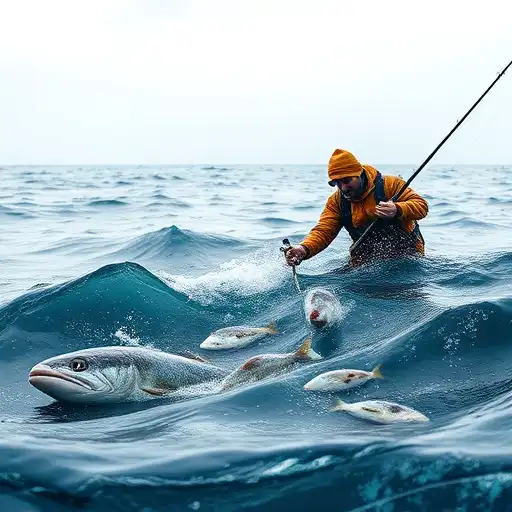

The Wonders of Pesca: A Closer Look
Introduction to Pesca
Pesca, often referred to as the timeless art of fishing, holds a significant place in human culture and survival, bridging generations with its fundamental simplicity and complex artistry. While primarily associated with sustenance, pesca has evolved into a multifaceted discipline encompassing recreation, tradition, and economic importance.
The Cultural Significance of Pesca
Throughout history, pesca has been more than just a means to an end. It is ingrained in the folklore and traditions of many cultures worldwide. From the ancient Egyptians who depicted fishing techniques on tomb walls to the legendary tales of the Sami people in Northern Europe, the stories of fishing are as diverse as they are rich.
The act of fishing is frequently symbolic of patience, perseverance, and resourcefulness. In many societies, rituals and festivals centered around pesca celebrate the changing seasons and the bounty of nature. These cultural ceremonies often serve as vital communal activities that strengthen social ties and honor ancestral customs.
Economic Impact
882 betPesca is a primary industry that provides livelihoods for millions globally. It includes large-scale commercial operations as well as small-scale, family-run businesses. This economic contribution is particularly significant in coastal communities where fishing forms the backbone of local economies.76K.COM
With the rise of sustainable and responsible fishing practices, the industry has adapted to changing environmental conditions, striving to balance economic growth with ecological preservation. Innovations in this field are crucial to ensuring the longevity of both fish populations and the economies that depend on them.
Environmental Considerations
As with many human activities, pesca has a profound impact on the environment. Overfishing, habitat destruction, and pollution have brought many challenges to maintaining healthy aquatic ecosystems. Recognizing these concerns, numerous organizations and governments have implemented policies to mitigate adverse effects and promote sustainability.
79R.COMEfforts such as developing marine protected areas, establishing quotas, and encouraging eco-friendly fishing techniques play critical roles in conserving biodiversity. These steps are essential to fostering resilience in fish populations and ensuring the future of pesca as a resource.
Modern-Day Recreational Fishing
Recreational fishing, a beloved pastime for millions, encompasses various forms such as fly fishing, deep-sea fishing, and ice fishing. Each offers unique experiences that connect individuals with nature and provide invaluable relaxation and enjoyment. Recreational pesca often requires different skills and techniques compared to commercial fishing, making it an appealing hobby accessible to all skill levels.
The growth in adventure tourism has catalyzed an interest in pesca-related activities. Destinations rich in aquatic biodiversity attract tourists looking to experience the thrill of fishing against stunning natural backdrops, contributing significantly to local tourism economies.
The Role of Technology in Pesca
Technology continues to revolutionize the world of pesca, enhancing both industrial and recreational endeavors. Fish finders, GPS systems, and automated equipment streamline operations and maximize efficiency for professional fishers. Similarly, enthusiasts benefit from gadgets that refine the art of recreational fishing, providing data and insights that enrich their experience.
This integration of technology with tradition underscores a dynamic field that honors the past while embracing the future. Innovations promise to optimize yields and preserve pesca's integrity even amidst environmental uncertainties.
Challenges and Opportunities
Pesca faces numerous challenges, yet there are equally promising opportunities. Climate change, regulatory changes, and evolving consumer preferences are just a few factors influencing the industry. However, these challenges offer opportunities for growth, innovation, and improvement.
For instance, advancing aquaculture practices presents a viable solution to meet the rising demand for seafood without exhausting natural resources. The cultivation of sustainable aquatic organisms can significantly reduce pressure on wild fish stocks and foster economic resilience.
Conclusion
33ss.comPesca remains an enduring symbol of humanity's connection with the world’s waterways. Balancing conservation and economic demands is crucial for its future, requiring thoughtful action and collaboration. As the art of pesca progresses, it seamlessly weaves tradition, sustainability, and innovation into its practice, ensuring this age-old pursuit continues to thrive.
Pesca is more than just an activity; it is a way of life, reflecting humanity's adaptability and spirit. As we navigate its challenges with resilience and creativity, pesca will undoubtedly continue to be a significant force in our world.
719bet